


A wisely crafted investment portfolio can build tremendous wealth over time. This wealth can then be utilised for retirement, to fund your children’s education, or to achieve other financial goals.
Understanding your personal risk tolerance and time horizon is crucial before committing to any investment strategy. Different investment vehicles offer varying returns, and it’s essential to align these with your financial objectives.
Money market good investment also becomes relevant when this topic is compared with nearby questions around some good investments.
By exploring various investment options and analysing their risk-return profiles, you can make informed decisions to achieve your financial goals.
Smart Investment Strategies for Wealth Building
Effective wealth building begins with understanding the importance of investing and planning accordingly. With $1,000 saved, you’re at a crossroads: splurge or invest. While it might seem like a lot to invest, $1,000 is a great starting point for building wealth.
The Importance of Investing for Financial Growth
Investing is crucial for financial growth as it allows your capital to grow substantially over time, outpacing inflation. Even modest amounts can be invested strategically to build wealth. The key is to start early and be consistent.
Key benefits of investing include:
- Growing your capital over time
- Outpacing inflation to maintain purchasing power
- Building wealth through strategic investment choices
Assessing Your Financial Goals and Risk Tolerance
Before investing, it’s essential to assess your financial goals and risk tolerance. This involves evaluating your short-term and long-term objectives, as well as your comfort level with risk. Factors such as age, income stability, and existing assets play a crucial role in determining your risk tolerance.
To create a personalised investment strategy, consider the following:
- Evaluate your financial goals, both short-term and long-term
- Assess your risk tolerance based on your age, income, and assets
- Choose an investment approach that aligns with your goals and risk comfort
What Are Some Good Investments to Make Money in 2025
As we navigate 2025, the investment landscape is evolving rapidly, presenting new opportunities for savvy investors. The current market offers a diverse array of investment options, each with its unique risk profile and potential for returns.
Current Market Opportunities and Trends
In 2025, investors have access to a wider range of opportunities than ever before. From stable government bonds to leveraged cryptocurrencies, the options are vast. Recent economic developments, including interest rate changes and inflation trends, have significantly shaped the investment environment. Technological advancements and sustainability concerns are creating new investment opportunities across traditional and emerging markets.
The current market trends indicate a shift towards sustainable investments and technological innovation. Investors are increasingly looking towards companies that prioritize environmental, social, and governance (ESG) factors. Moreover, the rise of digital assets and fintech solutions is opening up new avenues for investment.

| Investment Type | Potential Returns | Risk Level |
|---|---|---|
| Government Bonds | 1-3% | Low |
| Stocks | 5-10% | Medium-High |
| Cryptocurrencies | Highly Variable | High |
Balancing Risk and Reward in Today’s Economy
Balancing risk and reward is crucial in the current economic climate. Investors must navigate market volatility while seeking to maximize their returns. Practical strategies for managing risk include diversification, regular portfolio rebalancing, and staying informed about market trends.
Understanding the macroeconomic factors that influence different asset classes is essential for making informed investment decisions. By staying abreast of economic indicators and market analysis, investors can better position themselves to capitalize on emerging opportunities while mitigating potential risks.
Stock Market Investments: The Growth Engine
The stock market remains one of the most effective ways to build long-term wealth, offering returns that surpass many other investment options. Historically, stocks have delivered better returns than bonds, savings accounts, and precious metals over long periods.
Individual Stocks: Potential for 9-10% Annual Returns
Investing in individual stocks can be lucrative if done wisely. To achieve 9-10% annual returns, investors should focus on companies with strong growth prospects, competitive advantages, and quality management. For instance, technology companies have been known to offer significant growth opportunities.

S&P500 Index Funds: Historically Strong Performance
S&P500 index funds offer a diversified portfolio by tracking the S&P500 benchmark index, which has historically averaged annual returns of 9% to 10%. This makes them an attractive option for those seeking broad market exposure with relatively lower risk.
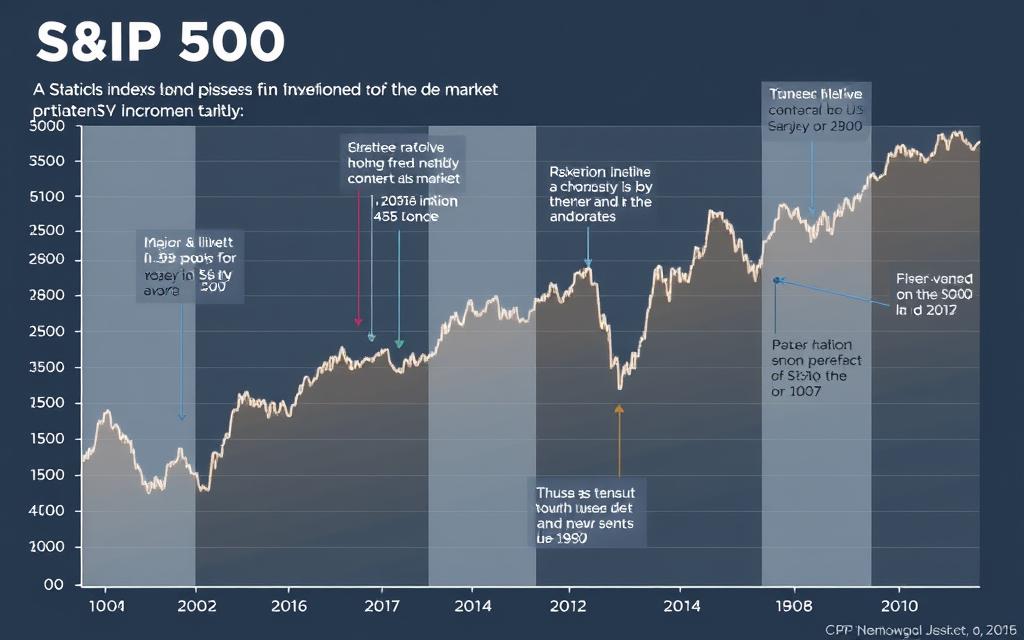
When considering stock market investments, it’s essential to evaluate your financial goals and risk tolerance. While individual stocks offer the potential for high returns, they also come with higher risk. In contrast, index funds provide diversification, which can mitigate some of this risk.
Exchange-Traded Funds (ETFs): Simplified Diversification
ETFs offer a simplified approach to investing, allowing individuals to gain broad market exposure with ease. They have become a popular choice for investors seeking diversification and flexibility.
One of the key benefits of ETFs is their ability to track an index, sector, or commodity, providing investors with exposure to a wide range of assets. This helps in reducing risk and achieving a balanced portfolio.
Benefits of ETFs: Low Costs and Broad Market Exposure
ETFs are known for their low expense ratios compared to mutual funds, making them a cost-effective option for investors. They also offer broad market exposure, allowing investors to gain access to various asset classes and sectors through a single investment vehicle.
For beginners, some of the best ETFs include those that track major indices like the S&P 500. Examples include Vanguard S&P 500 ETF and iShares Core S&P 500 ETF.
ETFs vs. Mutual Funds: Key Differences for Investors
When comparing ETFs to mutual funds, several key differences emerge. ETFs are traded on an exchange like stocks, allowing for intraday trading, whereas mutual funds are traded at the end of the day based on their net asset value.
Additionally, ETFs typically have lower fees and do not require a minimum investment, unlike some mutual funds. Understanding these differences is crucial for investors to make informed decisions about their investing strategy.
Bond Investments: Steady Income Generation
A well-diversified investment portfolio often includes bonds, which are valued for their ability to generate steady income and preserve capital. Bond investments can provide a lower-risk alternative to more volatile assets, making them an attractive option for investors seeking predictable returns.
Government and Corporate Bonds: 1-5% Annual Returns
Government bonds, such as UK gilts, and corporate bonds offer varying degrees of risk and returns. Government bonds typically offer lower yields but higher security, with returns generally ranging from 1-5% annually, depending on the maturity period and current interest rates.
For those looking to invest in bonds in the UK, there are several options available, including government bonds and corporate bonds. Investors can purchase bonds directly or through investment funds.
High-Yield Corporate Bonds: Balancing 5-10% Returns with Risk
High-yield corporate bonds, sometimes referred to as “junk bonds,” offer higher returns, typically between 5-10%. However, these bonds come with increased risk, as the issuing companies may have lower credit ratings, making them more susceptible to default.
Investors should carefully consider their investment goals and risk tolerance when selecting bonds. It’s essential to balance the potential for higher returns with the associated risk and to consider how bonds fit within their overall investment strategy.
Cash-Based Investments for Capital Preservation
For investors seeking to safeguard their capital, cash-based investments offer a viable solution. These investments prioritise capital preservation while generating modest returns in the current interest rate environment.
Earning with High-Yield Savings Accounts
High-yield savings accounts are an attractive option for investors looking to earn a decent return on their cash holdings. Currently, some accounts are offering annual percentage yields (APY) of around 3-5%, significantly outperforming traditional bank savings accounts. For instance, a search for the best high-yield savings accounts UK reveals several options with competitive rates.
Certificates of Deposit: Locking in Higher Interest Rates
Certificates of Deposit (CDs) allow investors to lock in current interest rates for specific periods, ranging from a few months to several years. This can be an effective strategy for maximising returns while maintaining liquidity. When searching for the best CD rates, it’s essential to consider the terms and conditions.
One of the key benefits of cash-based investments is their ability to provide capital preservation, making them suitable for emergency funds, short-term goals, or during periods of market uncertainty. Investors can also employ a CD laddering strategy to balance liquidity and maximise returns in changing interest rate environments.
By understanding the benefits and strategies associated with cash-based investments, investors can make informed decisions about their investment portfolios. For more information on capital preservation funds, investors can explore dedicated resources.
Real Estate Investments: Tangible Assets with Strong Returns
Tangible assets like property can provide a stable foundation for investment portfolios, offering both income and potential for long-term appreciation.
Real estate investments have been a cornerstone of wealth creation for centuries, offering investors a unique combination of regular income and potential for long-term capital appreciation. The tangible nature of property investments provides a sense of security and stability, making them an attractive option for those seeking to diversify their investment portfolios.
Generating Passive Income through Rental Properties
Investing in rental properties can provide a stable income stream, with returns typically ranging from 5% to 8% annually, depending on location and market conditions. To invest in rental properties effectively, one must consider several key factors, including property selection criteria, financing options, and management considerations.

Becoming a landlord involves more than just purchasing a property; it requires careful planning and ongoing management to ensure that the investment remains profitable. This includes selecting properties in desirable locations, managing tenant relationships, and maintaining the property to preserve its value.
Real Estate Investment Trusts: A Diversified Approach
For those who wish to invest in real estate without the hands-on responsibilities of direct property ownership, Real Estate Investment Trusts (REITs) offer an attractive alternative. REITs allow investors to buy shares in a diversified portfolio of properties, providing liquidity and reducing the risks associated with individual property investments.
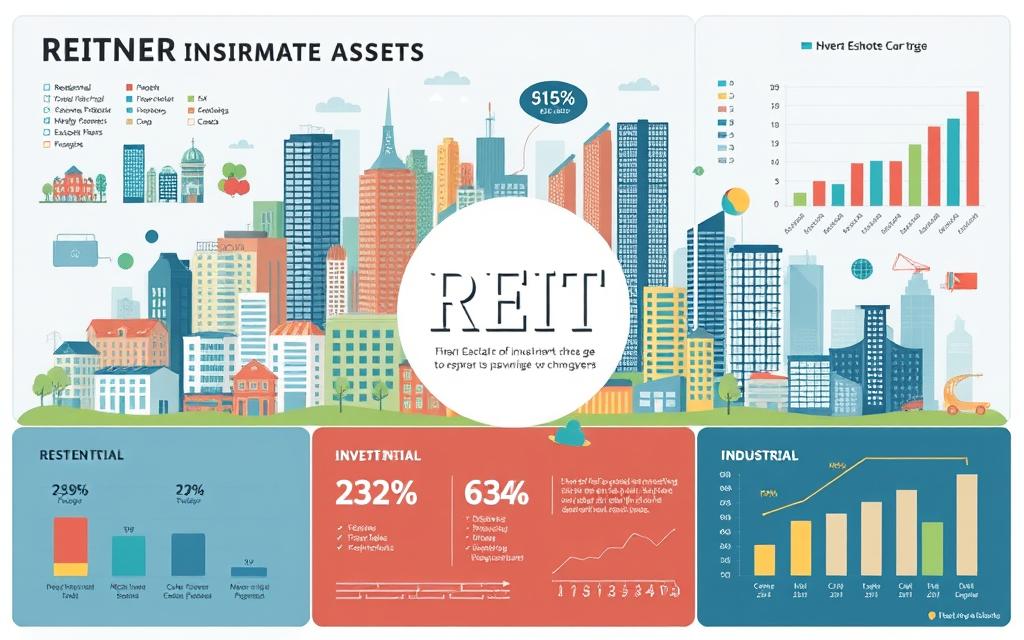
REITs are required to distribute at least 90% of their taxable income as dividends, making them particularly appealing to income-focused investors. This characteristic, combined with the diversification benefits, has made REITs a popular choice among investors seeking exposure to the real estate market without the challenges of direct property management.
Cryptocurrency Investments: Navigating High Volatility
The cryptocurrency market is renowned for its dramatic price swings, making it a challenging yet intriguing investment opportunity. As investors navigate this complex landscape, understanding the risk-reward profile and implementing effective risk management strategies are crucial.
Understanding Bitcoin and Established Cryptocurrencies
Bitcoin, as the first and most established cryptocurrency, has historically offered significant returns on investment, with some periods seeing annual returns of over 1000%. Its decentralised nature and potential for rapid appreciation have attracted a global following. However, the market is highly volatile, with prices capable of dramatic swings in short timeframes.
Other established cryptocurrencies, such as Ethereum, also present unique investment opportunities due to their substantial market capitalisation and technological propositions.
Cryptocurrency Investment Strategies for Risk Management
To manage the risks associated with cryptocurrency investments, investors can employ several strategies. Position sizing is crucial, ensuring that no single investment overly exposes the portfolio to risk. Dollar-cost averaging can also mitigate the impact of volatility by spreading investments over time. Additionally, setting portfolio allocation limits can help maintain a balanced investment strategy.
Secure storage solutions, such as hardware wallets, and reputable exchanges are essential for safeguarding investments. Understanding regulatory considerations is also vital to avoid potential legal and financial pitfalls.
By adopting a well-informed and cautious approach, investors can better navigate the high volatility of the cryptocurrency market and potentially capitalise on its significant returns.
Alternative Investment Opportunities
For investors looking beyond traditional assets, alternative investments offer exciting opportunities. These investments can provide a diversification boost to your portfolio, potentially enhancing returns and reducing risk.
Peer-to-Peer Lending
Peer-to-peer (P2P) lending platforms connect investors directly with borrowers, offering average annual returns of around 7%. By eliminating traditional banking intermediaries, P2P lending can provide a more efficient and potentially lucrative investment option.

Angel Investing and Private Equity
Angel investing is a high-risk, high-reward opportunity that can deliver returns exceeding 20% annually for successful investments in early-stage companies. This investment avenue requires careful consideration and a thorough understanding of the risks involved.

Dividend Stocks
Dividend stocks offer a hybrid investment option that combines regular income with the potential for capital appreciation. Established companies with a history of consistent dividend payments can provide reliable income streams while still offering growth potential.
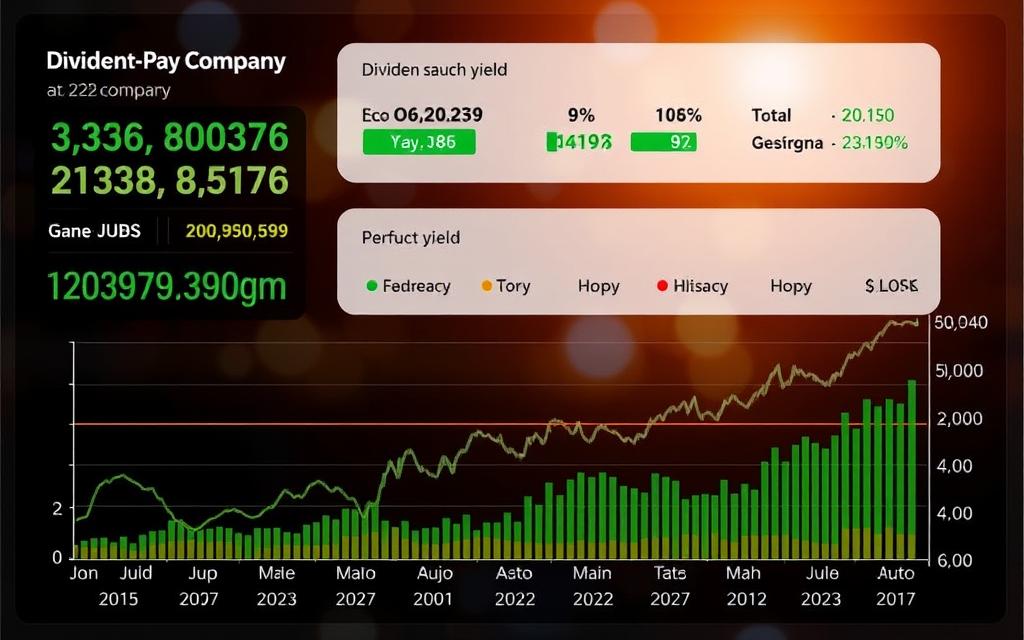
When evaluating alternative investments, it’s essential to consider your investment goals, risk tolerance, and liquidity needs. By doing so, you can create a diversified portfolio that aligns with your financial objectives and helps you achieve long-term success.
Tax-Efficient Investment Approaches
Understanding and leveraging tax-efficient investment strategies can significantly boost investment returns. Tax considerations play a crucial role in determining the net performance of an investment portfolio.
Maximising Returns Through Tax-Advantaged Accounts
Utilising tax-advantaged accounts such as Individual Savings Accounts (ISAs) and Self-Invested Personal Pensions (SIPPs) can enhance investment returns. These accounts offer various tax benefits, including exemptions from income tax and capital gains tax.
Investors should consider allocating their investments across different tax-advantaged accounts to maximise their overall returns. This strategic allocation can help minimise tax liabilities and optimise investment performance.
EIS and SEIS Investments: Combining Tax Relief with Growth Potential
Enterprise Investment Scheme (EIS) and Seed Enterprise Investment Scheme (SEIS) investments offer a unique combination of high growth potential and significant tax incentives. These schemes are designed to encourage investments in early-stage companies with high growth potential.
EIS and SEIS investments provide various tax benefits, including income tax relief, capital gains tax deferral, loss relief, and inheritance tax benefits. By leveraging these tax reliefs, investors can reduce their tax liabilities and enhance their overall returns.
When considering EIS and SEIS investments, it is essential to balance tax efficiency with other investment considerations. While tax benefits are attractive, they should not overshadow the fundamental quality of the investment.
Creating a Diversified Investment Portfolio
A well-diversified investment portfolio is the cornerstone of a successful investment strategy, helping to mitigate risk and maximise returns. Diversification involves spreading investments across various asset classes to reduce dependence on any one particular investment.
Asset Allocation Strategies Based on Age and Goals
Asset allocation is a critical component of portfolio diversification. It involves dividing investments among different asset classes, such as stocks, bonds, and cash, based on an individual’s financial goals, risk tolerance, and time horizon. For instance, younger investors might allocate a larger portion of their portfolio to stocks, seeking higher returns over the long term, while older investors might prefer more conservative investments like bonds.
The Rule of 110: A Simple Formula for Portfolio Balance
One popular guideline for asset allocation is the Rule of 110, which suggests subtracting your age from 110 to determine the percentage of your portfolio that should be invested in stocks. For example, a 40-year-old would invest approximately 70% of their portfolio in stocks, with the remainder in more conservative assets. This rule provides a simple starting point for constructing a balanced portfolio.
To maintain an optimal asset allocation, it’s essential to regularly review and rebalance your portfolio. Market fluctuations can cause your investments to drift away from their target allocations, potentially increasing risk. Rebalancing involves buying or selling assets to return to your desired allocation, ensuring that your investment strategy remains aligned with your financial goals.
Diversification Strategies:
- Diversify within asset classes by investing across different sectors and geographies.
- Allocate investments across various asset classes, including stocks, bonds, and alternative investments.
- Regularly review and rebalance your portfolio to maintain your target asset allocation.
By implementing these strategies, investors can create a diversified portfolio that balances risk and potential returns, helping to achieve their long-term financial objectives.
Conclusion: Choosing the Right Investments for Your Financial Journey
A successful investment approach involves balancing risk and reward while aligning with your individual financial goals and time horizon. As we’ve explored throughout this article, there’s no one-size-fits-all solution when it comes to investments. Every investor is unique, with different financial objectives, risk tolerance, and timeframes.
The key to successful investing lies in creating a diversified portfolio that combines various asset classes, such as stocks, bonds, and other investments. For most investors, a balanced mix of stock-based investments (like S&P500 index funds) and fixed-income investments (such as bonds and CDs) provides a robust foundation for long-term wealth creation.
It’s essential to view investing as an ongoing journey rather than a one-time decision. Regular portfolio reviews and adjustments are crucial as personal circumstances and market conditions evolve. By maintaining discipline during market volatility and focusing on long-term financial planning objectives, investors can navigate the complexities of the market with confidence.


 By
By